Koh Phangan Architecture
Koh Phangan Architecture: Tropical Simplicity with a Strong Sense of Place
Koh Phangan architecture has its own unique identity. It is quieter than many other tropical destinations, more connected to the landscape, and often shaped by a deeper sense of calm. While the island is known for its natural beauty, hillsides, jungle settings, and sea views, its architecture has also developed a style that feels intimate, elegant, and closely tied to the environment. More than anything, architecture in Koh Phangan should feel like it belongs to the land.
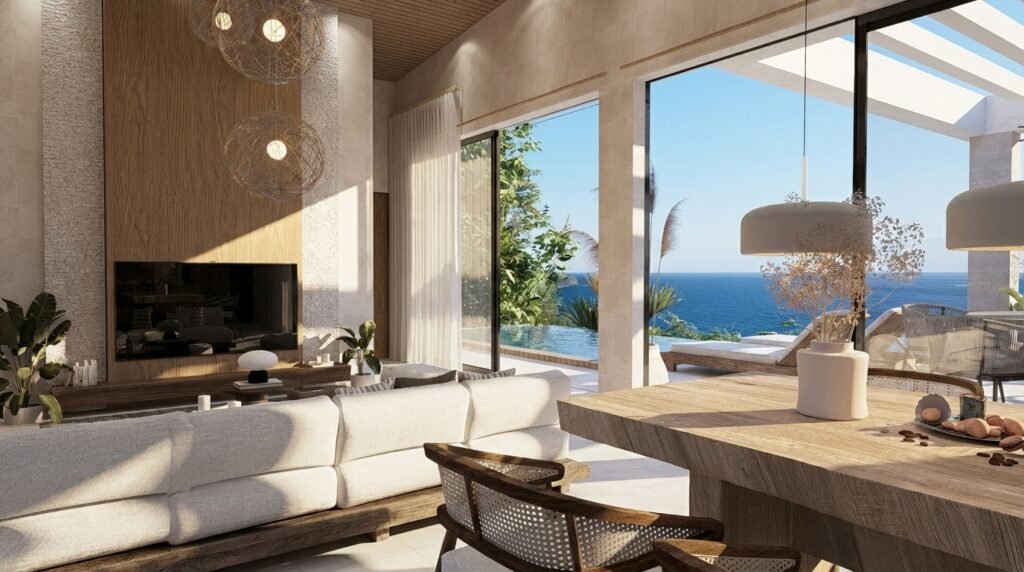 One of the most important qualities of Koh Phangan architecture is simplicity. Not simple in a plain way, but simple in a thoughtful way. Clean lines, balanced proportions, natural materials, and open spaces often create the strongest results. Instead of feeling crowded or overdesigned, the architecture is usually at its best when it feels relaxed, breathable, and carefully placed within the tropical setting. Why fight the landscape when the landscape can become part of the architecture itself?
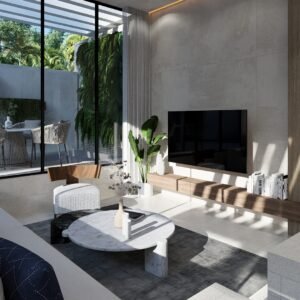
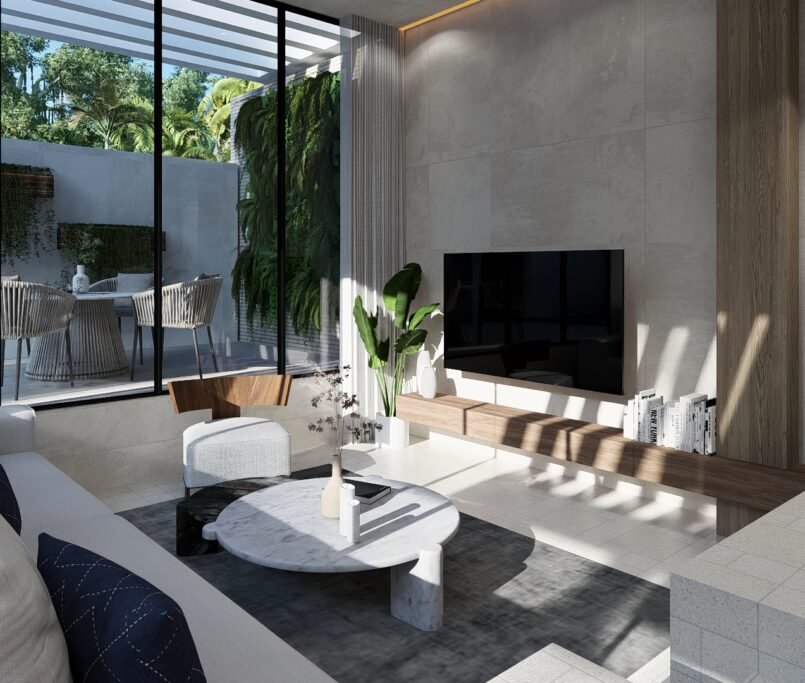
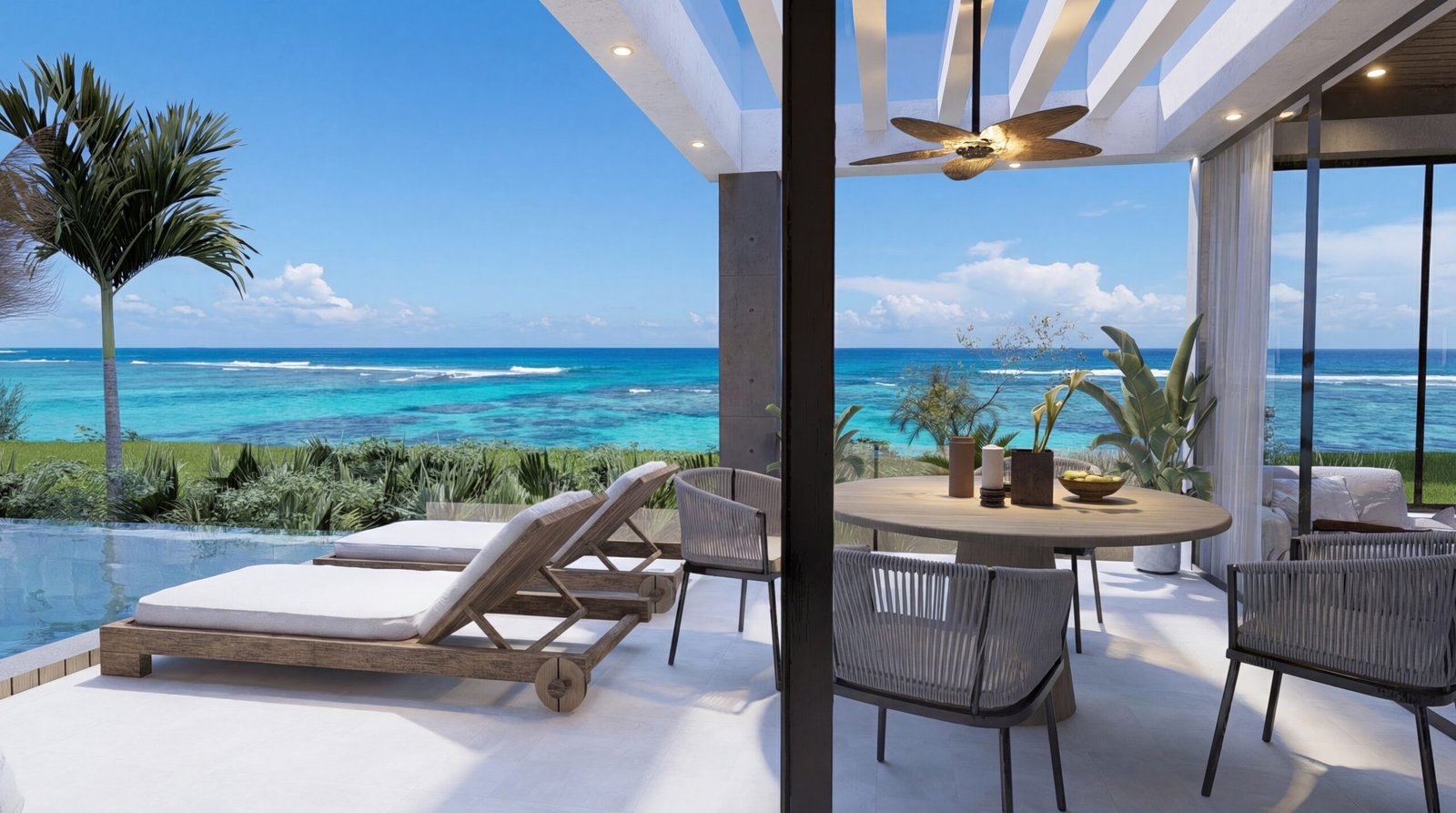
This connection to nature is a defining feature. In Koh Phangan, many homes and villas are designed to open toward gardens, jungle views, or the sea. Large sliding openings, shaded terraces, outdoor living areas, and natural ventilation are essential. These elements are not just aesthetic choices. They are part of how the building works. They bring in light, allow air to move naturally, and create a more effortless way of living. The result is a home that feels open and peaceful rather than closed and heavy.
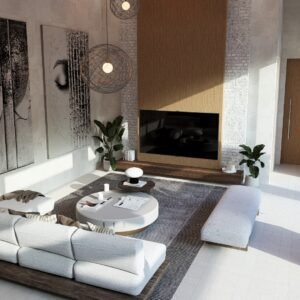
Materials also play a major role in shaping the architectural mood. Stone, wood, textured plaster, concrete, and soft neutral finishes are often used to create spaces that feel grounded and timeless. In a tropical environment like Koh Phangan, these materials help create warmth and authenticity. The goal is usually not to make the building feel overly polished or flashy. Instead, it is to create a feeling of understated luxury, where texture, shadow, and proportion do the work.
Another important part of Koh Phangan architecture is privacy. Many properties are designed to feel like private retreats. This is especially true for hillside villas, boutique resorts, and wellness-oriented spaces. Architecture on the island often aims to create moments of quiet, framing views while still offering shelter and intimacy. This is where design becomes more than appearance. It begins to shape the emotional experience of the space.
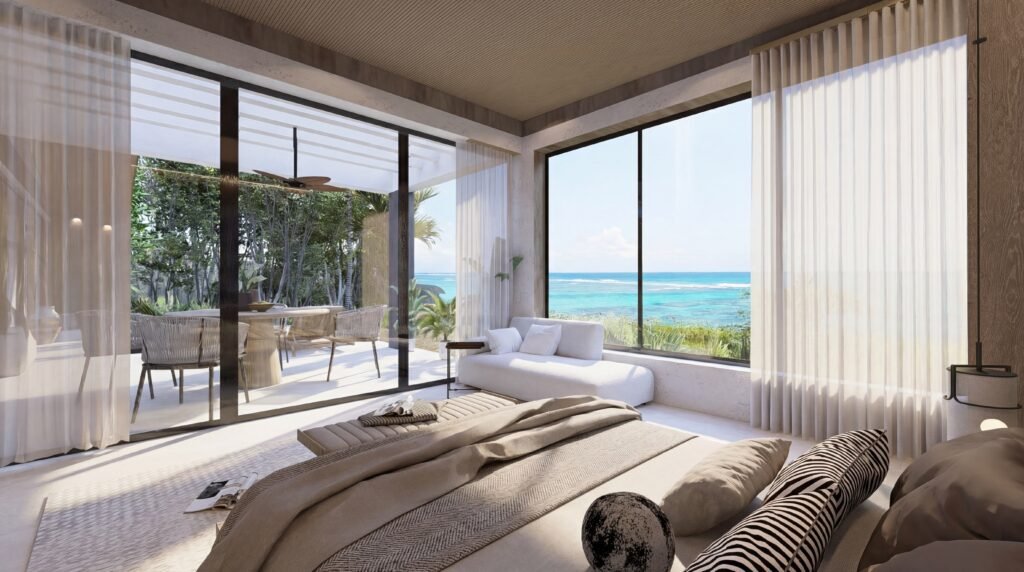 Koh Phangan also has a strong connection to slow living. That lifestyle naturally influences its architecture. Spaces are often designed for rest, connection, openness, and calm. Covered outdoor lounges, pool terraces, soft transitions between rooms, and careful orientation toward sun and breeze all support this way of living. The architecture is not just there to impress. It is there to create comfort and atmosphere.
At its best, Koh Phangan architecture is tropical, elegant, and deeply responsive to its surroundings. It respects the climate, embraces the landscape, and creates spaces that feel natural to live in. Whether it is a private villa, a boutique hospitality project, or a modern tropical residence, the most successful architecture on Koh Phangan is the kind that feels effortless, timeless, and completely connected to the island.